
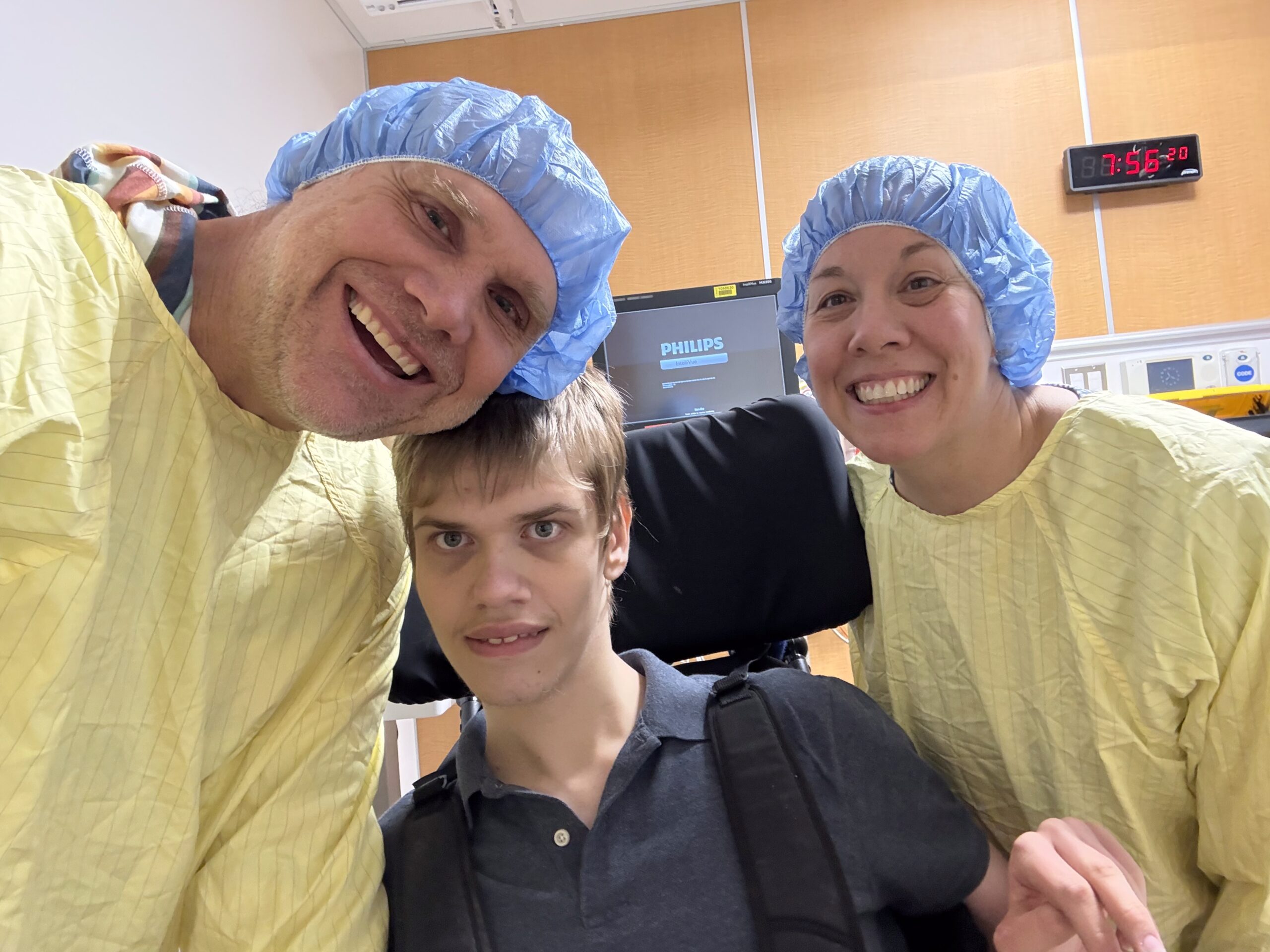
Leading the Way: An Interview with Keith McArthur
To any family just starting out: you do not have to walk this road alone, and there is a whole community fighting alongside you.
Keith McArthur, Executive Director, CureGRIN FoundationIn our Leading the Way series, we celebrate patient advocacy group (PAG) leaders helping move rare disease research and support forward. In this spotlight, meet Keith McArthur, Executive Director, CureGRIN Foundation. Keith reflects on his path into rare disease advocacy, lessons in leadership, and the incredible progress of the CureGRIN community.
1. Can you tell us a little about yourself, your family and your journey into the world of patient advocacy?
Before I stepped into the rare disease world, I spent a decade working as a newspaper reporter and later as a corporate communications and social media strategist. In 2017, I got a second chance at life when my sister donated a kidney to me for a transplant—an experience that deepened my perspective on health, gratitude, and purpose.
My wife Laura and I are parents to Katelyn and Bryson. When Bryson was just a few months old, we noticed he was missing typical developmental milestones. That marked the beginning of a nearly decade-long search for answers. After years of testing, we finally learned Bryson had a variant in his GRIN1 gene.
Leveraging my background as a journalist, I created an eight-part CBC podcast series called Unlocking Bryson’s Brain to document our family’s journey. Not long after, I realized I wanted to dedicate my life to accelerating treatments for Bryson and children like him. I joined forces with other passionate parents, and together we launched the CureGRIN Foundation in 2019.
2. Could you share your family’s experience with your child’s GRI-related disorder diagnosis and how you navigated those early days?
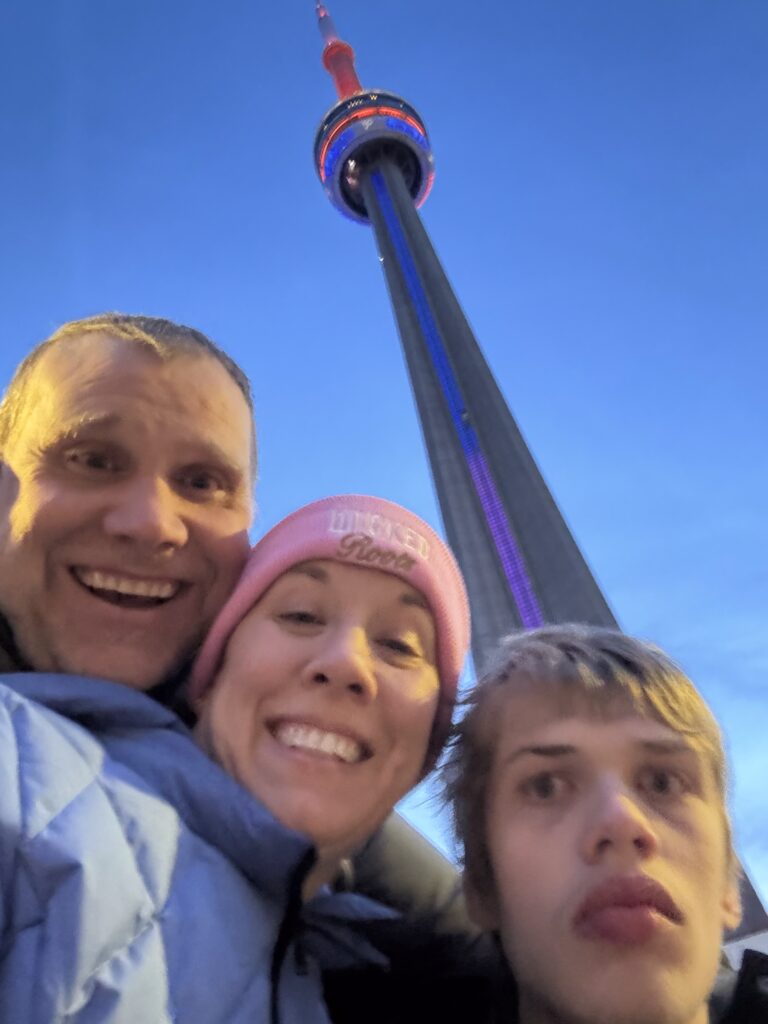 Navigating those early years was deeply isolating. For almost ten years, we knew Bryson had a severe neurological condition, but without a genetic diagnosis, we lacked a roadmap. When we finally received the GRIN1 diagnosis in 2015, it brought a mix of relief and overwhelming uncertainty. At the time, information was scarce, and there were very few centralized resources for families.
Everything changed a couple of years later when we attended a family meetup in Toronto. We met researchers who were optimistic about the possibility of treatments and cures. This gave us something we hadn’t felt in a long time: actionable hope. Connecting with other families made us realize we weren’t alone, and it ignited our resolve to build a structured, research-driven community.
3. Your leadership with CureGRIN has made and continues to make a significant impact. What inspired you to step into that role?
I stepped into this role because, like any parent, I wanted to do everything humanly possible to improve my son’s quality of life. When CureGRIN was formed, I saw an opportunity to apply my skills in storytelling, strategy, and media relations to unite a fragmented space.
This never feels like just a job—success here directly translates to better health and treatments for our kids. I felt a deep responsibility to take what I had learned through Bryson’s diagnostic journey and help build an organization that could aggressively pursue cures for the entire community.
4. Is there a moment or achievement from your time with CureGRIN that stands out as especially meaningful? What makes it significant?
Two moments stand out above all else:
- Expanding Our Umbrella: In 2021, CureGRIN made the strategic decision to expand our mission from representing 4 GRIN disorders to 11 different GRI disorders (including GRIA, GRIK, and GRID). Expanding to encompass all ionotropic glutamate receptor genes ensured that no family facing these related channelopathies was left behind.
- Clinical Progress: Seeing the first patient dosed in the Phase 3 trial for radiprodil was an incredible milestone. Moving from basic science to active clinical trials validates every hour our community has poured into this work..
5. From planning patient advocacy and research conferences, what key lessons or best practices would you share with others?
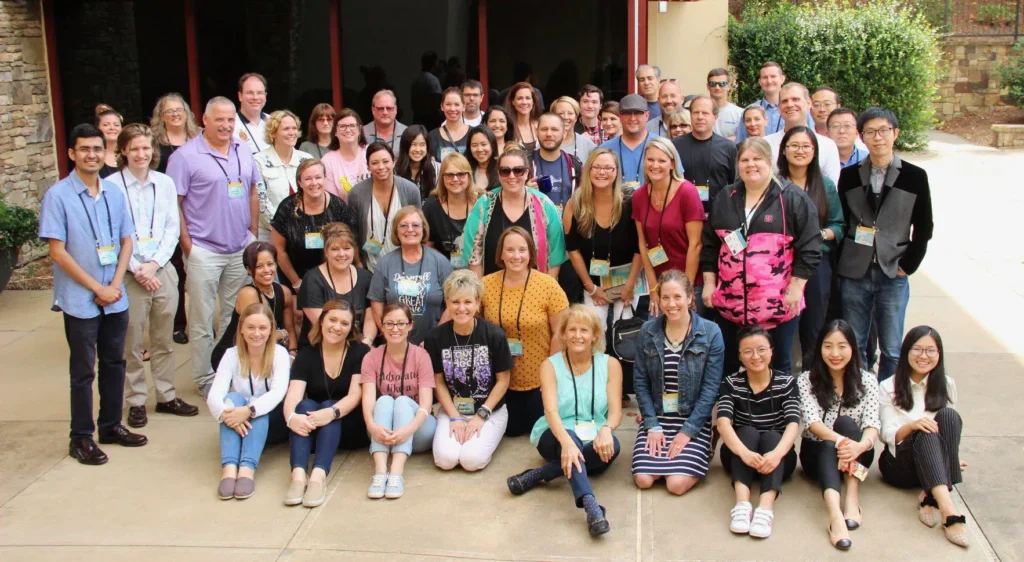
Bring basic scientists and families into the same room. At CureGRIN conferences, we deliberately bring researchers and patient families together. For many basic scientists working at a lab bench, attending our conference is the first time they’ve ever met a child or family living with the disease they study. Time and again, we’ve watched basic researchers transform into passionate translational scientists after meeting our kids. For families, having direct access to global experts demystifies the science and builds profound trust.
6. Could you provide insights into the challenges you’ve encountered while advocating for individuals with GRI-related disorders, and how you’ve managed to overcome them?
Representing 11 different disorders presents both massive advantages and complex challenges. On the operational side, it offers huge efficiencies—for instance, we can send two staff members to represent 11 genes at the American Epilepsy Society conference, rather than needing separate teams for each.
The primary challenge is resource allocation. Some genes are naturally larger and attract early biotech interest, while ultra-rare variants struggle for commercial attention. We recently evolved our strategy away from a “one-size-fits-all” approach to tailored, gene-specific roadmaps. This allows us to maintain shared infrastructure while addressing the precise, highest-priority needs of each distinct disorder.
7. Which resources, networks, or tools have been most helpful to you as a parent, advocate, and/or researcher? What would you recommend to others starting out?
 Participating in the Chan Zuckerberg Initiative (CZI) Rare as One Network and joining COMBINED Brain were transformative for CureGRIN. They provided the operational playbook, peer support, and scientific frameworks needed to scale rapidly.
My advice for new advocacy leaders: When I started, I mistakenly believed a Patient Advocacy Group’s sole job was to raise money and give grants to researchers. I’ve learned our role is far more strategic. Investing in professional talent and building organizational capacity can be just as impactful—if not more so—than funding individual research projects.
For example, CureGRIN recently published a comprehensive Guide to Treating and Curing GRI Disorders, detailing over 85 potential therapeutic interventions. A hybrid model—combining direct research funding with high-level strategic coordination—is what truly drives field-wide progress.
8. How has Simons Searchlight been a resource and/or research partner for you and your community?
Simons Searchlight has been a vital partner for the GRI community across several fronts:
- Standardized Longitudinal Data: While CureGRIN manages the GRI Census registry and academic partners host gene registry databases, Simons Searchlight provides invaluable, standardized clinical measures (like the Vineland Adaptive Behavior Scales) across our patient population.
- Biosamples & Models: Simons’ collection of patient biosamples and generation of iPSCs (induced pluripotent stem cells) drastically reduces barriers for scientists entering the GRI field.
- Funding Translational Science: The broader Simons Foundation ecosystem (including SFARI) has funded critical functional analysis work, supported the GRIN Portal, and awarded a major grant to Dr. Amy Ramsey at the University of Toronto to advance gene therapies—an application CureGRIN was proud to quarterback through public-private collaboration.
9. What is your mantra or source of motivation that keeps you going as both a parent and a patient advocacy leader?
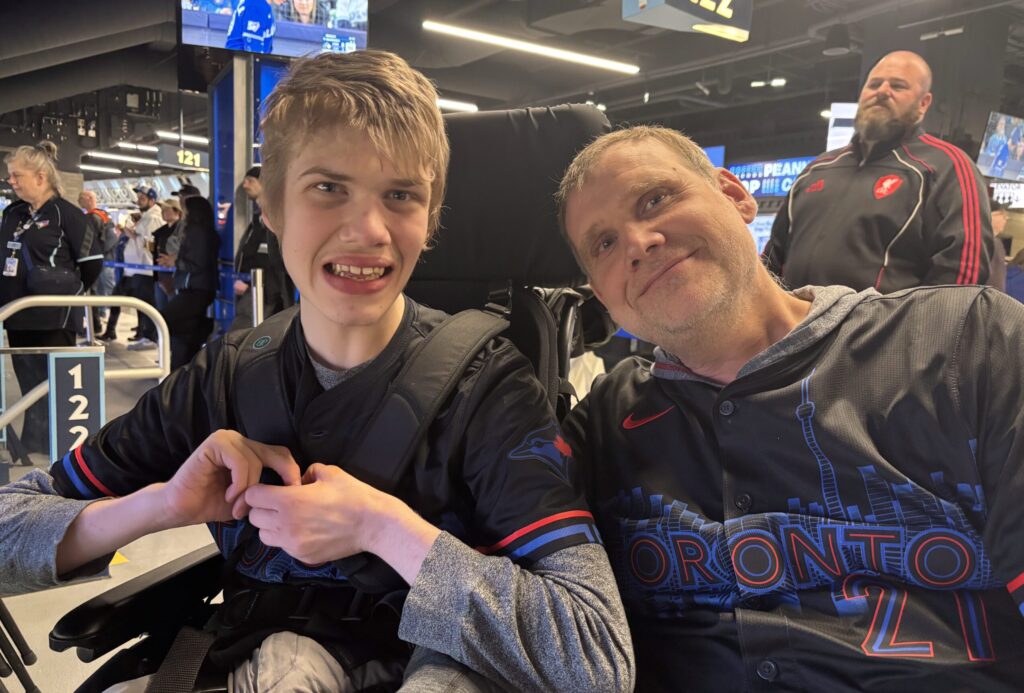
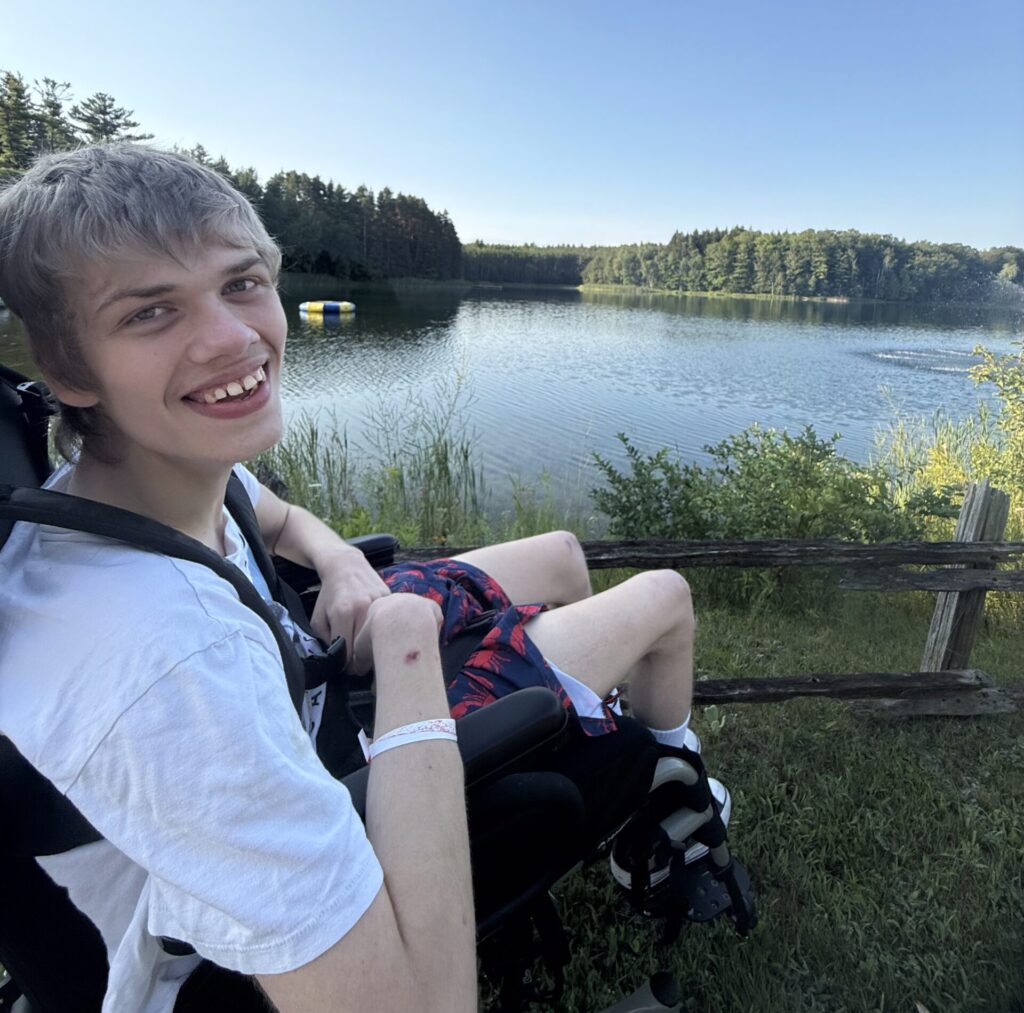
Bryson is my motivation. Every decision I make, every strategy we build at CureGRIN, and every tough day on the job comes back to my son and the thousands of children like him fighting GRI disorders every day.
10. Is there anything else you’d like to share with the Simons Searchlight community or with families who may just be starting their own journey?
Being a rare disease parent is a club that nobody ever asked or wanted to join. The daily realities for our kids and our families can be exceptionally difficult. However, through this journey, I have met the most extraordinarily resilient, compassionate, and brilliant people—parents, clinicians, and researchers alike. Over time, I’ve reached a place where I feel deeply grateful to be part of this community. To any family just starting out: you do not have to walk this road alone, and there is a whole community fighting alongside you.
Stay connected with Simons Searchlight
Join our newsletter to receive updates