
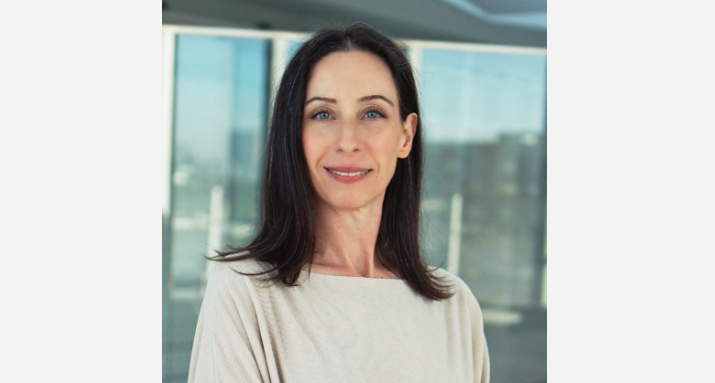
Researcher Profile: Dr. Carly Demopoulos on How Families Advance Speech Research
In this Researcher Profile, Carly Demopoulos, PhD, associate professor at UC San Francisco, shares early findings on speech and communication in children with 16p11.2 deletion syndrome. She also highlights how Simons Searchlight families support research and how Research Match helps connect researchers with families interested in participating.
Watch highlights from our conversation below, and read the full interview to learn more about her work and the important role families play in advancing research.
Editor’s note: This Q&A is adapted from a recorded Zoom interview with Dr. Demopoulos. Responses have been transcribed and formatted for readability while preserving her original words and meaning.
1. What inspired you to study rare genetic conditions and speech development?
My inspiration to do research with children with rare genetic conditions dates back to my experience with children with speech impairment and autism. I had a personal experience babysitting for a new baby in our neighborhood who wasn’t speaking, and we later learned that he was autistic. He was really fascinating in his ability to teach us what he needed with his cry, and I think at the time when I was a kid babysitting, I didn’t appreciate just how phenomenal that was.
Later, I gained experience in college with behavior therapy, and then worked as a special education teacher. I started to learn a lot more about autism, and I could look back on those experiences and see how with his cry, this infant was able to teach us to selectively introduce light into his bedroom when he was waking up from a nap, so that it would be more comfortable for him, presumably. The way that baby trained all of us made a big impression on me about finding ways to communicate and overcoming communication barriers, and that’s what I loved about my job as a special education teacher.
My classroom was all students who were minimally verbal or nonverbal, and I was fascinated by the abilities that these kids were able to demonstrate, despite being unable to speak, and that’s why I wanted to study speech. It’s what led me to find the 16p11.2 deletion syndrome community when I came here to UCSF.
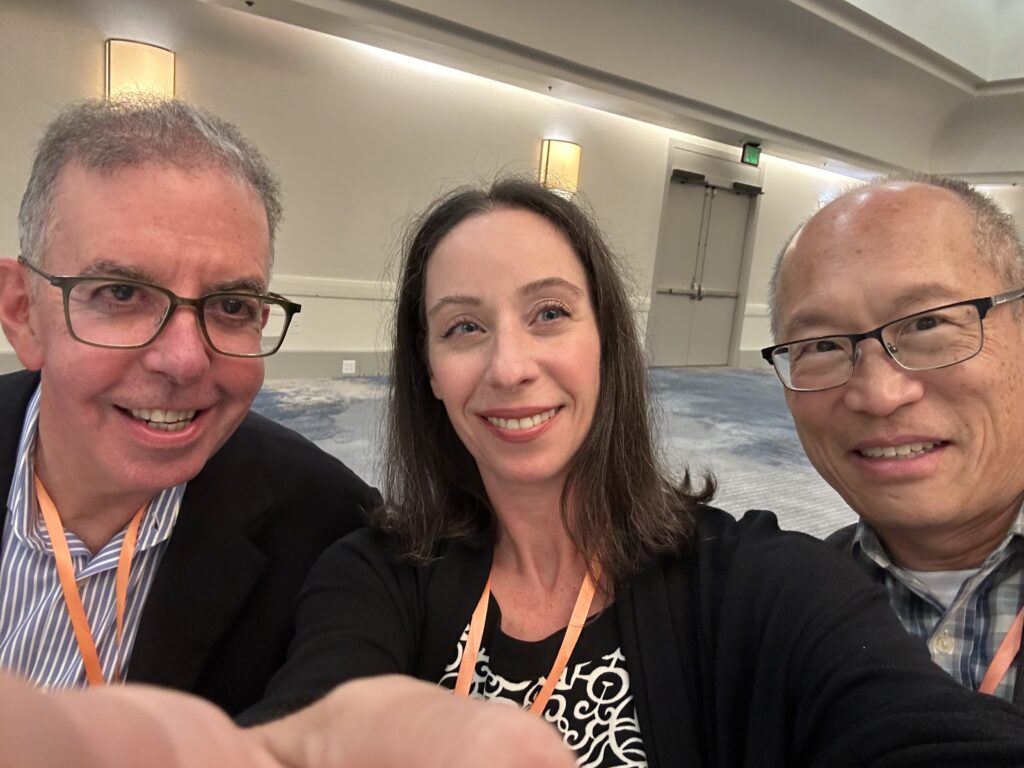
The Simons VIP project was wrapping up when I arrived, but I was able to participate in the family meeting in Falls Church, Virginia, and collect some data on kids with 16p11.2 deletion syndrome to help us measure speech motor control. We’ve been trying for a long time to get funding for a large-scale project where we could bring people here to UCSF to do a comprehensive assessment and brain imaging to help understand why we see speech differences. Studying this community will help us understand more about how to treat speech issues in kids who have 16p11.2 deletion syndrome, and it might also extend to understanding kids on the broader autism spectrum who don’t have any known genetic differences.
 2. How have families and patient advocacy groups helped shape your research?
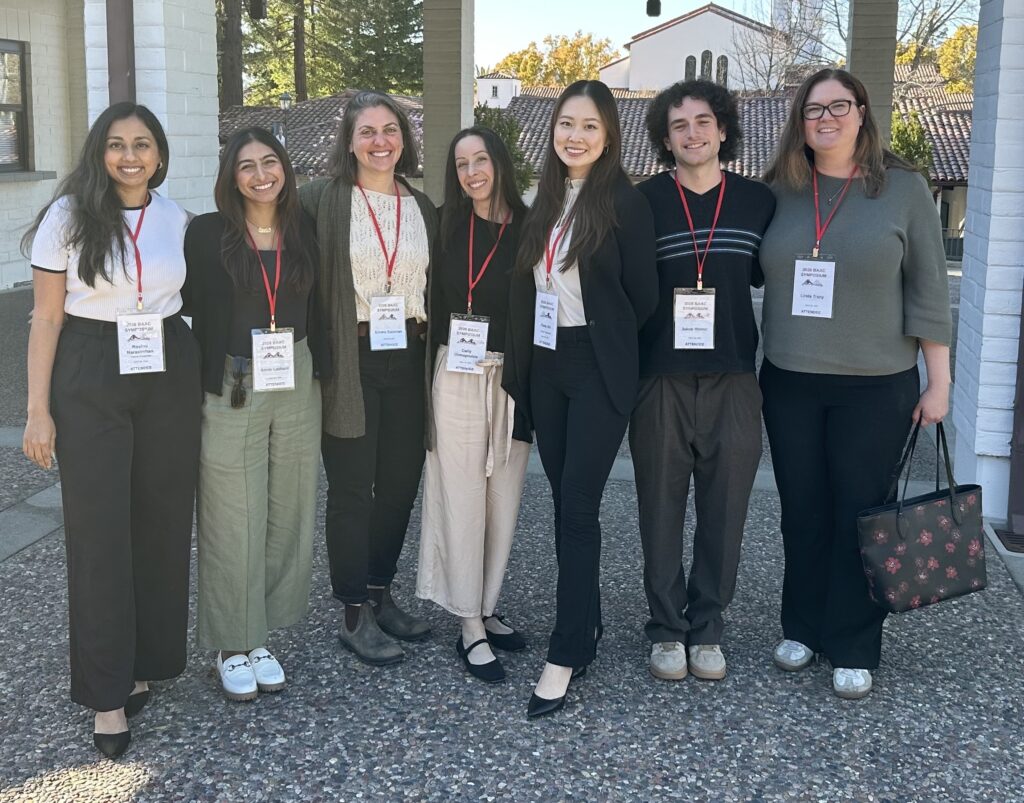
I work with our families pretty extensively when they participate in our studies. It gives me an opportunity to learn about their perspectives and experiences. All of that informs the way that I think about how human biology works and how we design our research studies. Because we give back to families as best we can, we share that a lot of times, research is not immediately beneficial to families, but the long-term effects could be. We try hard to give feedback on anything we are able to for kids who participate in our study. That allows me to spend some quality time with the parents talking about the study results and learning their backgrounds. We do that as part of our research, which continuously informs my perspective and the perspective of my team.
We have also had more formal affiliations with lots of family foundations, including the 16p Genetic Foundation, and some other foundations for genetic and neurodevelopmental conditions, where I’m going to meetings and talking with families.
We have an advisory board for 22q21.2 deletion syndrome, where we’re working with stakeholders to understand and shape the direction of research. This is an ongoing part of our work that’s integrated into the day-to-day, as well as the more formal opportunities for feedback and learning.
3. How has Simons Searchlight helped support your research?
Without Simons Searchlight, I don’t think we would have the opportunity to be successful in finding the participants we need for our study. We need to get a substantial enough number of participants who have 16p11.2 deletion syndrome so that we can do the exhaustive phenotyping and treat each participant as the unique individual that they are in our research design. We need to find these people, and Simons Searchlight has allowed us to use Research Match to help us spread the word about our study to people who are potentially interested and want to be contacted for these kinds of research opportunities. Without that in place, I don’t know that I could have made the case that I will definitely find the right number of participants to do this study, and it would never have been funded in the first place.
 4. Why is it important for families to continue contributing data to research over time?
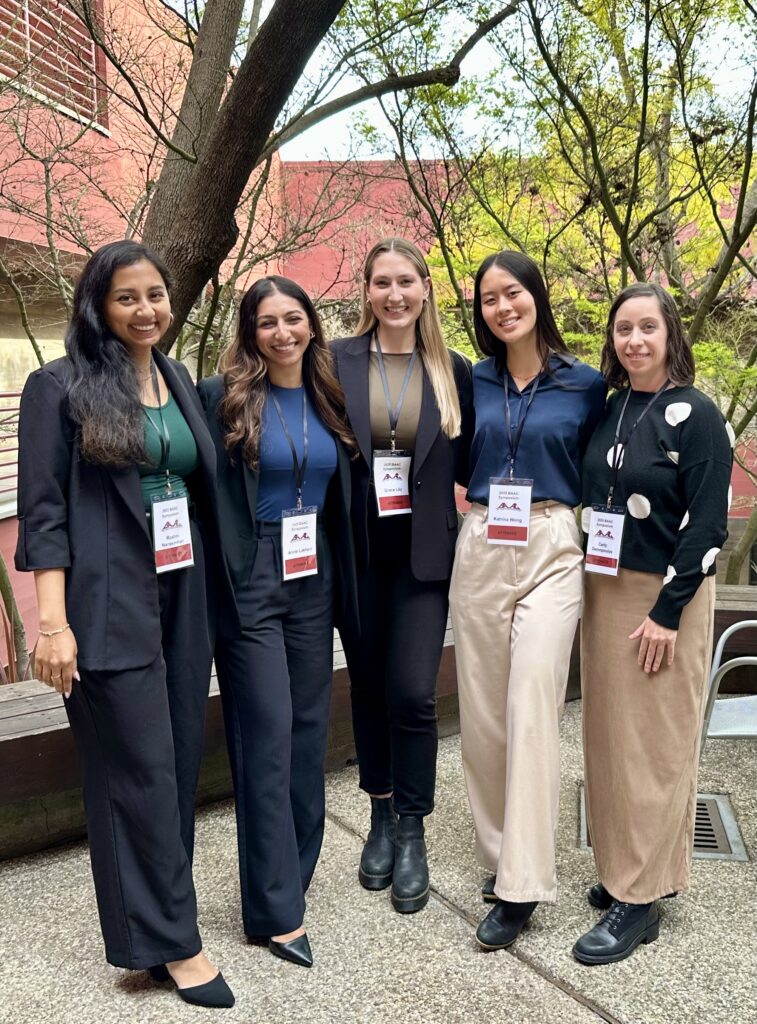
We aren’t using additional ancillary data that’s already in the database for our current study, aside from the diagnostic classification of 16p11.2 deletion syndrome. But, the participants giving us data that will be shared back with participants and building this rich database of information through all this research participation is super important because it allows researchers to ask new questions with bigger samples than would ever be possible with each of us working on our own. That data sharing is a way to use all of these efforts on individual projects to make a larger scale database that can be used for further analyses and get more out of all the work that the participants did beyond the original studies they participated in.
5. How does your team use information from Simons Searchlight, and what additional data do you collect in your studies?
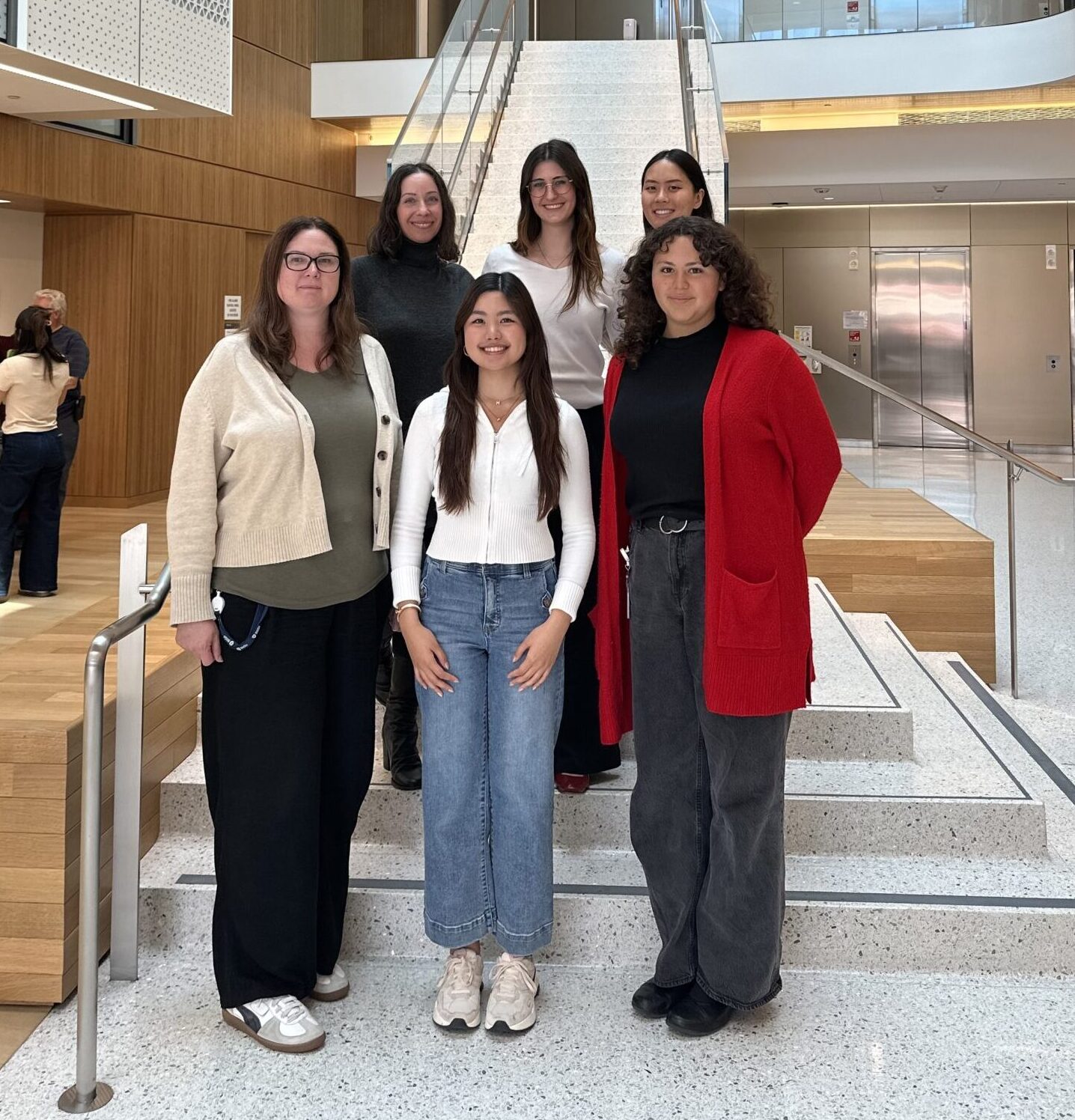
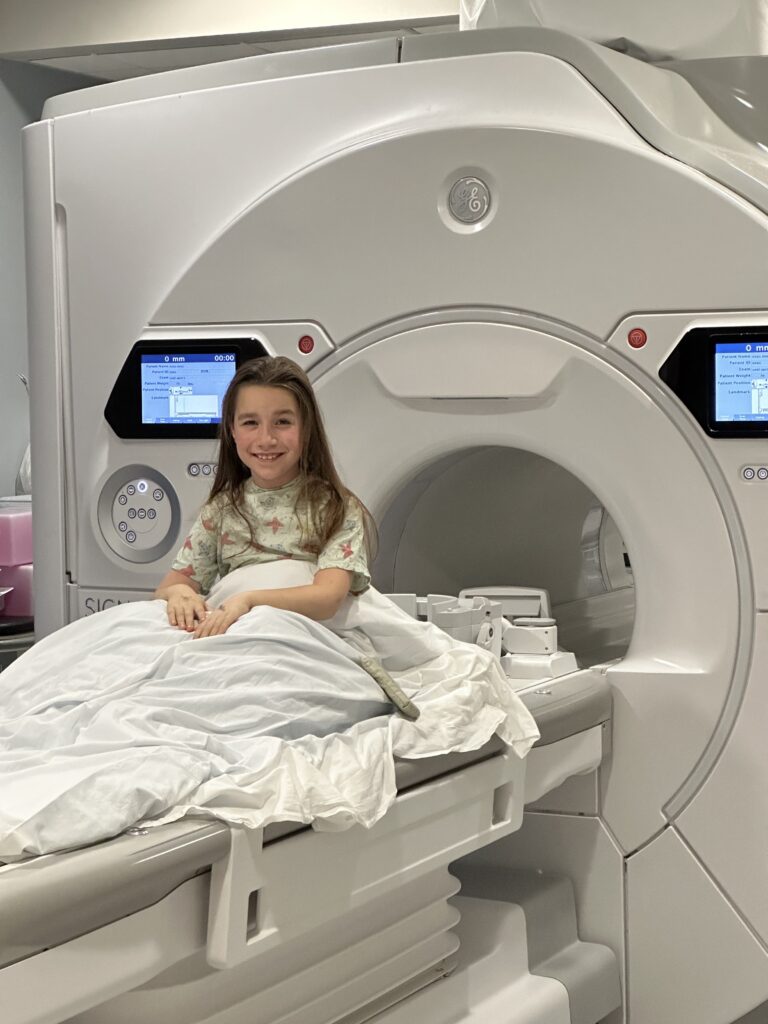
The type of data that we use is the classification—the diagnosis of the 16p copy number variant, so that we can recruit participants. We collect an extensive battery of neuropsychological testing, as well as an autism diagnostic evaluation. We carry out a multimodal brain imaging protocol, where we’re looking at electrophysiology with magnetoencephalography. We perform magnetic resonance spectroscopy and functional and structural MRI and diffusion tensor imaging. We’re mapping neurobiology and cognitive function and neuropsychological function on top of this diverse group of people with 16p11.2 deletion syndrome so that we can analyze the data in a way that accounts for all that individual variability. That’s really important to model in trying to understand the root causes of differences.
 6. What have you learned from your research so far, and how could these findings eventually help families?
We’ve been wanting to collect this data for years, ever since the family meeting in Falls Church, Virginia, where we had a pilot sample of participants that showed a unique profile of speech motor control. We think that this unique profile explains some of the speech difficulties and apraxia of speech that we see in a lot of kids with 16p11.2 deletion syndrome. That data allowed us to be funded for a study of kids with autism with unknown genetic causes and a range of speech abilities, as well as this new, currently recruiting study for kids with 16p11.2 deletion syndrome. From these studies, we’re seeing a similar but distinct pattern of differences between people with autism with unknown genetic causes and people in the 16p community from Falls Church.
We’re trying to bring back the 16p community to UCSF to do a more comprehensive evaluation where we can actually do the brain imaging and ask the questions about the neurobiology underlying these differences. What we’re finding is a phenotype of speech motor control that’s affecting the way the brain functions in ways that also tie to their clinical speech presentation that’s really key. The findings align nicely and are really exciting because they’re going to point us to the mechanism that affects their speech and underline some differences so that we can start testing that mechanism by developing potential treatments and interventions. If we can target the cause of the problem, we can actually take kids further with their therapies because we’re removing a barrier to speech and to speech learning. This is exciting to us as we start transitioning our research into clinical trials, which we’re planning to do in the coming year.
7. How has Simons Searchlight’s Research Match program helped you find participants for your studies?
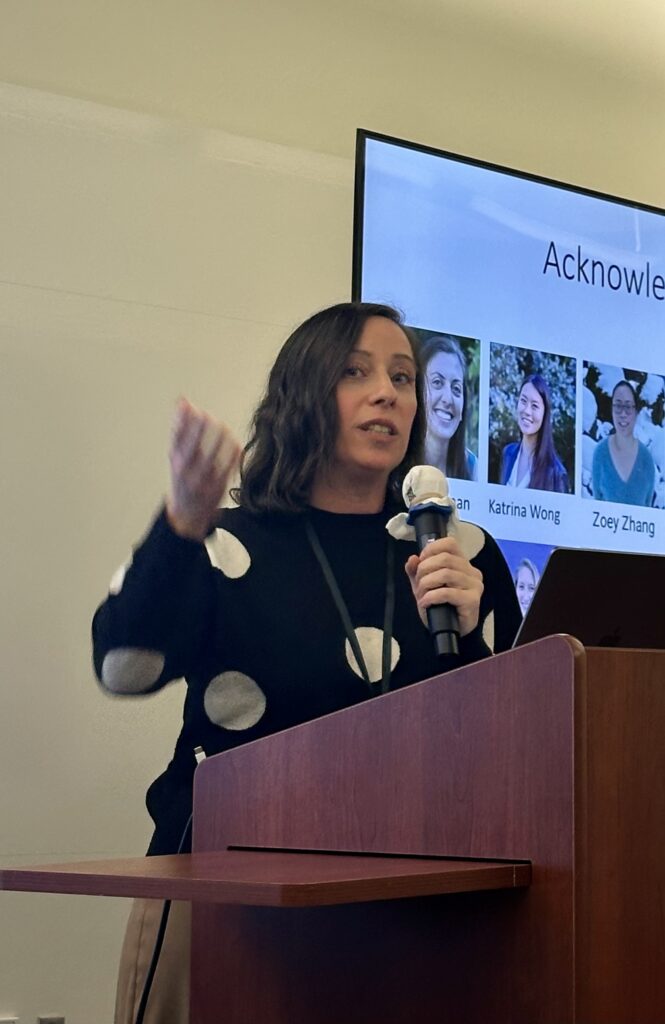
We’ve used Research Match to help us find participants who meet the inclusion criteria for our currently enrolling study. Without Research Match, I don’t think we could have found enough participants in the age range that we need to study who have 16p11.2 deletion syndrome. I think that would have been a nearly impossible task. It would have taken a lot of human effort to contact and find our own referral sources all over the country, whereas Research Match has operationalized that for us. The only way to do this kind of research is to rely on a resource like this to demonstrate that you’re capable of recruiting the number of kids and finding them. Local recruitment doesn’t work because with rare conditions, there aren’t going to be enough people in the local area. We need to do national recruitment, and this type of registry is what allows us to do that.
8. What’s next for your research, and what progress do you hope to see?
The next steps of our research will focus on completing our enrollment and data collection. We need more families to come out and see us in San Francisco. We’ll bring you out here for a few days, and we will do a comprehensive evaluation of the kids who are participating, and work with the parents to get their clinical history. Then, we will start to analyze the data at a group level, like we’ve done for the autism study. We will provide the parents with whatever individual feedback we are able to, so that they don’t have to wait 5 years for the study to be completed to learn something. We want the parents to learn what we can share in the time that they participate.
Our next steps are taking what we’ve learned from the autism study and initiating clinical trials to move into that next step of testing mechanisms and identifying novel approaches to intervention. We are also continuing our data collection for this currently enrolling 16p study so that we can also use that to inform the mechanism in a different and more tailored way. The ultimate goal of all of this work is to understand the diverse ways in which speech could be used differently, and what ways are helpful and what ways are present challenges or barriers. The whole point of all of this is to help people move beyond where they are and reach their potential in these skills.
I think speech is one of the most critical skills. When speech is impaired, it’s always one of the top concerns among our parent groups and the communities I work with. We want to help kids go further with their therapies for speech, and we’re getting some exciting data that we think is going to help us do that.
9. What would you like newly diagnosed families to know about the importance of research and community?
I would want a newly diagnosed family to know that they are part of a wonderful community of people. I’ve been working with families of children with rare genetic conditions for a long time, and the families of kids with autism of unknown genetic causes and broader neurodevelopmental differences. This community of people is the best people. You’ve got a wonderful support network. These families are willing to work so hard to help us learn. They give us so much of their time and their energy. It takes a lot to do the kind of research that we do, to be this in-depth with each child. We ask a lot of families to give us a lot of their time, and we try to give back as much as we can in return. But we couldn’t do any of this without families being willing to give us that time, and it’s the most generous thing from families who are already working really hard to get their kids to lots of therapies and medical appointments. These are busy people, and they are still willing to be so generous and make time for us and for each other.
I’ve also heard from parents over and over again that the community of other parents is the biggest source of support and help, maybe even more so than their treatment providers. So, there’s a great community out there. Reach out, connect with them, and to the extent that you are able, participate in research and be represented in that research, to ensure we’re learning about your child and the unique profile that they bring. Without families being willing to do all the work of research participation, we wouldn’t learn anything, and we wouldn’t be able to help. I know you’re busy, I know you are some of the busiest families, and I just want to say thank you to the families who have given us all their time. It’s a tremendous effort. My daughter volunteered for the study, so my husband was putting her through the study, and he was complaining like crazy to me about how much work it was. And I said, you know what? There are lots of families who have done this too, and so I absolutely appreciate how hard it is. I am always appreciative when families say it was worthwhile, and they learn so much about their kid, and are happy they did it. I hope we can reach out to lots of others and work together to learn more about how to help kids.
All pictures provided by Dr. Carly Demopoulos
Stay connected with Simons Searchlight
Join our newsletter to receive updates